
In brief: Germany’s Digital Minister Karsten Wildberger confirmed on Nov. 1 that members of the Bundestag, the lower house of the federal parliament, and the federal government, may have been targeted by spyware, after the Apple company sent threat notifications to their iPhones. At the time of the report, it remained unclear who was behind the attack or which politicians were affected.
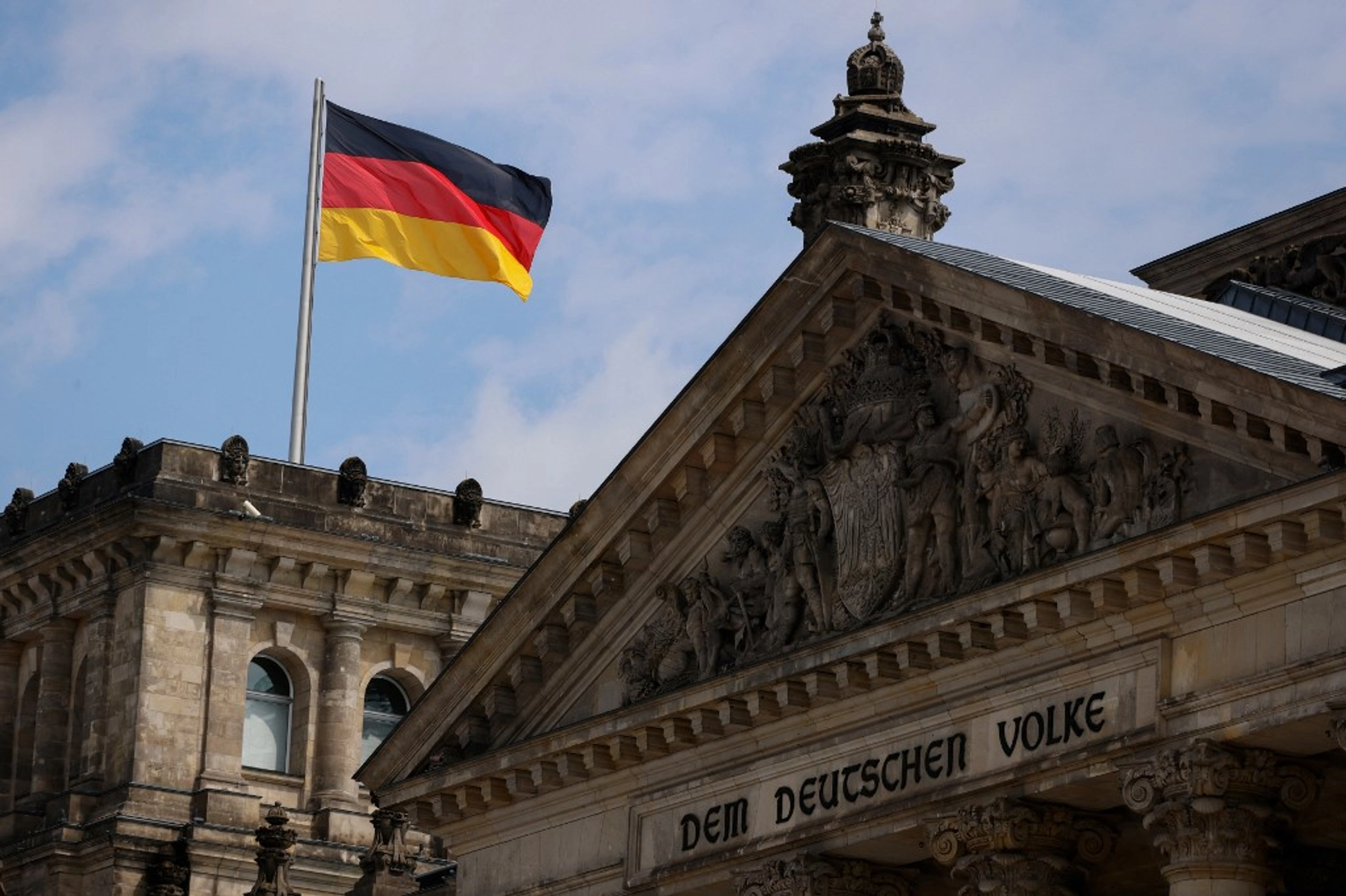
Germany’s Digital Minister Karsten Wildberger has confirmed that the mobile phones of members of the Bundestag, and the federal government may have been targeted in a hacking attack.
According to Tagesschau, Wilderberg made the remarks while speaking on the weekly program of a German public broadcaster ARD on Nov. 1. He said that German authorities had received information from Apple that “certain devices may have been compromised with so-called spyware.”
JOIN US ON TELEGRAM
Follow our coverage of the war on the @Kyivpost_official.
The minister, a member of the Christian Democratic Union (CDU), confirmed earlier reporting by the broadcaster’s Berlin bureau but did not provide further details. The identities of the politicians who may have been affected were not disclosed either.
Apple alerts trigger government response
According to a letter from Germany’s Federal Office for Information Security (BSI) obtained by ARD, Apple has been sending warnings to iPhone users since Oct. 29.
The alerts warned users that mercenary spyware was detected – a category of commercial surveillance tools designed to take over the targeted device.
Wildberger said the BSI acted quickly and contacted every individual affected in writing, although it acknowledged that it had no further information on what had prompted the alerts or who might be behind them.
Recipients have been advised to assume that their devices may have been compromised, as a precautionary measure.
According to the BSI, Apple described its threat notifications as highly reliable indicators that an individual has been targeted. The alerts, however, do not reveal whether an attack had actually succeeded.

26 Dead, 27 Missing as Russia Strikes Aid Site in Komyshuvakha, Zaporizhzhia Region
The company, Tagesschau reported, has a long-standing policy of not disclosing what triggers its warnings. It also does not attribute attacks to specific actors.
Wildberger declined to speculate about possible perpetrators.
What such spyware can do
Spyware refers to surveillance software that secretly transmits a user’s data to third parties without their knowledge or consent.
Tagesschau pointed to Pegasus, developed by Israeli firm NSO Group, which has been linked to surveillance of politicians, journalists and activists across several countries.
The programme can install itself on a phone without the user clicking any links or opening any phishing files. Once a device has been affected, attackers can access a wide range of information, according to the outlet citing the BSI.
That includes access to the phone’s microphone, camera, text messages, phone calls, contact lists, location data and other private information.
For members of parliament, such access could expose confidential political discussions, internal government deliberations and sensitive personal contacts.
Growing hybrid threats
The suspected attack on German officials comes amid a series of foreign campaigns on the country, which has sharply intensified after an explosive-laden drone was discovered at Leipzig/Halle Airport in August.
German authorities pinned the blame on Russia, triggering reciprocal consulate closures and a sharp deterioration in bilateral ties.
Concerned about possible attacks aimed at personnel in Germany, the country’s armed forces raised the Russian sabotage threat to “significant” on Oct. 21.
After 30 years of focusing on hostage rescue and counter-terrorist operations, Germany’s Kommando Spezialkräfte (KSK, Special Operations Command) began preparing for a possible military confrontation with Russia on Oct. 29.
Mid-October, Polish Prime Minister Donald Tusk warned that Russia could escalate hybrid attacks, sabotage and provocations against Poland and the Baltic states before Christmas, citing particular risks to railway lines and supply routes to Ukraine.
On Monday, Nov. 2 a second wave of cyberattacks struck supermarket refrigeration systems at more than 100 stores across the EU, forcing retailers to throw out spoiled food.
Meanwhile, Moscow has repeatedly denied carrying out sabotage or cyber operations in Europe.
Kyiv Post is Ukraine’s first and oldest English news organization, reporting since 1995. Its international reach – 90% of readers are outside of Ukraine – make it truly Ukraine’s global voice.
OPINION: ‘Russia Russia Russia’ Was No Hoax
Zelensky Lays Out Ukraine’s Conditions for Lasting Peace
Zelensky: Ready to Meet Putin in Turkey, Rules Out Concessions
Kremlin Says Ukraine Peace Talks Hinge on Battlefield, Rejects European Role

Ukraine, UN Agencies Launch Aid for Farmers on Mined Land

Explained: Why Oleshky Evacuees Had to Cross Russia

Russian Drone Hits Kherson Medical Center

Ukraine Plans Civilian Return Center After Oleshky Mission

Slovakia Joins Effort to Bring Back Unlawfully Deported Ukrainian Children

Europe Experiences Second Wave of Cyberattacks, Supermarket Fridges Targeted

26 Dead, 27 Missing as Russia Strikes Aid Site in Komyshuvakha, Zaporizhzhia Region

OPINION: Midterm Madness
