AI glasses have a lot of benefits, but they're still not the best option for everyday glasses.
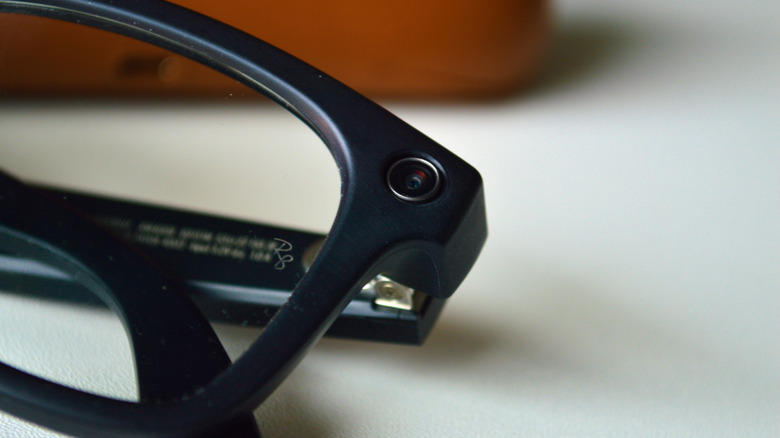
AI-powered smart glasses have become quite popular — and also quite controversial, with a German nonprofit files criminal complaint over Meta smart glasses privacy already. And if you wear glasses every day, chances are you've probably already wondered if you can replace your prescription glasses with a pair of AI glasses. The short answer is yes, you can get AI glasses with prescription lenses. But there are a lot of factors you should consider before making that decision — from weight and privacy to battery life. AI glasses require a bit of extra care that you don't need with regular glasses, and not everyone may be willing to deal with that. Here's everything you need to know before buying AI glasses to use as your daily prescription glasses.
Your prescription isn't the hard part
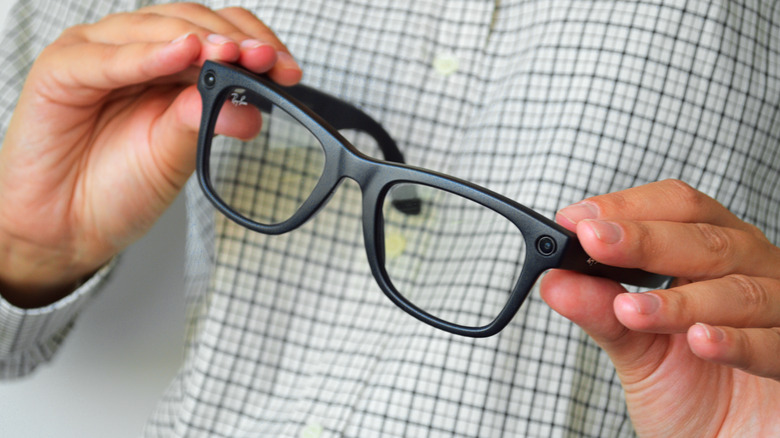
Most of these AI-powered smart glasses are essentially regular glasses with extra tech built into them. From the outside, most of them look just like any other pair of glasses — if you look at a pair of Ray-Ban Meta from a distance, you probably couldn't tell they're smart glasses. Because they look so much like regular glasses, their lenses can also be replaced with prescription lenses. Ray-Ban lets you order a pair of Meta's smart glasses with prescription lenses already installed — all you have to do is upload your prescription, and they'll take care of the rest.
But there are other things you should consider, such as weight. Regular glasses usually weigh between 20 and 30 grams (0.7 to 1.1 ounces), but smart glasses can weigh up to 80 grams (2.7 ounces). Wearing a pair of these for a few hours is fine, but you start to feel the weight when you wear them all day long. Battery life can be an issue, too. AI glasses last an average of 3 to 5 hours before the battery dies. That's fine if you only use them occasionally, but wearing them all day will require you to constantly recharge the battery. They'll still work as regular glasses, but you'll lose all the AI features. The technical limitations alone make them more of a second option than a replacement for your everyday glasses.
Privacy is the real deal-breaker

But there's something more important than weight or battery life, and that's privacy. It's not illegal to wear AI glasses in public, but the list of places that have been banning such devices continues to grow. For example, Courts in England and Wales have banned Meta glasses from courtrooms, and New York followed suit in July. Many schools around the world have also been banning their students from wearing AI glasses during class. When your smart glasses are your only option for seeing properly, not being able to wear them becomes a huge problem.
There have also been many reports of AI glasses being banned from corporate environments. Usually, the camera is the main concern, but even if you don't turn it on, audio can be a problem, too. A simple real-time translation feature could end up uploading confidential conversations to a third-party server. Meta, for example, has been facing scrutiny for allowing outsourced workers to access intimate images and videos captured by its AI smart glasses. The company claims that the content is sometimes reviewed by humans for the purpose of improving the product experience.
Then there's the social aspect, which has led some people to decide to stop wearing AI glasses in public — the Meta Glasses backlash is changing how people use them. With so many negative stories about them, users have become afraid of being labeled as stalkers or weirdos. So while you can definitely get AI glasses with prescription lenses, they're not yet the best option for your everyday glasses.