The Art of Looking, a new project from Google Arts & Culture and the Courtauld, invites you to take a closer look at historic works of art.
Märit Rausing Director of the Courtauld Institute of Art
Your browser does not support the audio element.
Mark Hallett of the Courtauld Institute of Art and Amit Sood of Google Arts & Culture are expanding their partnership with "The Art of Looking," a collection of stories exploring art history. You can examine detailed works by artists like Van Gogh and Manet, or learn about a new residency focused on AI metadata workflows. Visit the Google Arts & Culture website to view these collections and discover new ways to study art.
Mark Hallett of the Courtauld Institute of Art and Amit Sood of Google Arts & Culture are launching The Art of Looking. This collection lets you zoom into famous paintings to see fine details, brushstrokes, and hidden stories from centuries of art history. You can explore these works online to learn how artists created their masterpieces. We are also starting an artist residency to use new technology for organizing and sharing these historic collections with everyone.
Today, we are delighted to launch ‘The Art of Looking’, a major expansion of the partnership between Google Arts & Culture and the Courtauld Institute of Art. This collection, which brings together art made across centuries and continents, reflects a shared commitment to opening up art and art history to the broadest possible audience, in keeping with the Courtauld’s commitment to art for all. Additionally, we’re jointly announcing a new artist residency to explore how AI can be used for metadata workflows in cultural institutions.
The 12 new stories in ‘The Art of Looking’ take on some of the most fundamental questions we can ask about art. In ‘What does art mean?’ Professor Dorothy Price shows how the painter Lubaina Himid used her imagination to rewrite history, while in ‘Who is art for?’ Dr. Tom Stammers traces how artist Rosa Bonheur bypassed the elite gatekeepers of her day to reach a global audience. The stories also take us closer to how artists made the works themselves: zoom into the bold marks of Van Gogh’s reed pens, explore the enduring riddle of Michelangelo’s The Dream, or discover with Dr. Jessica Barker how Claudette Johnson uses the monumental scale of Blues Dance to give her subjects a powerful presence.
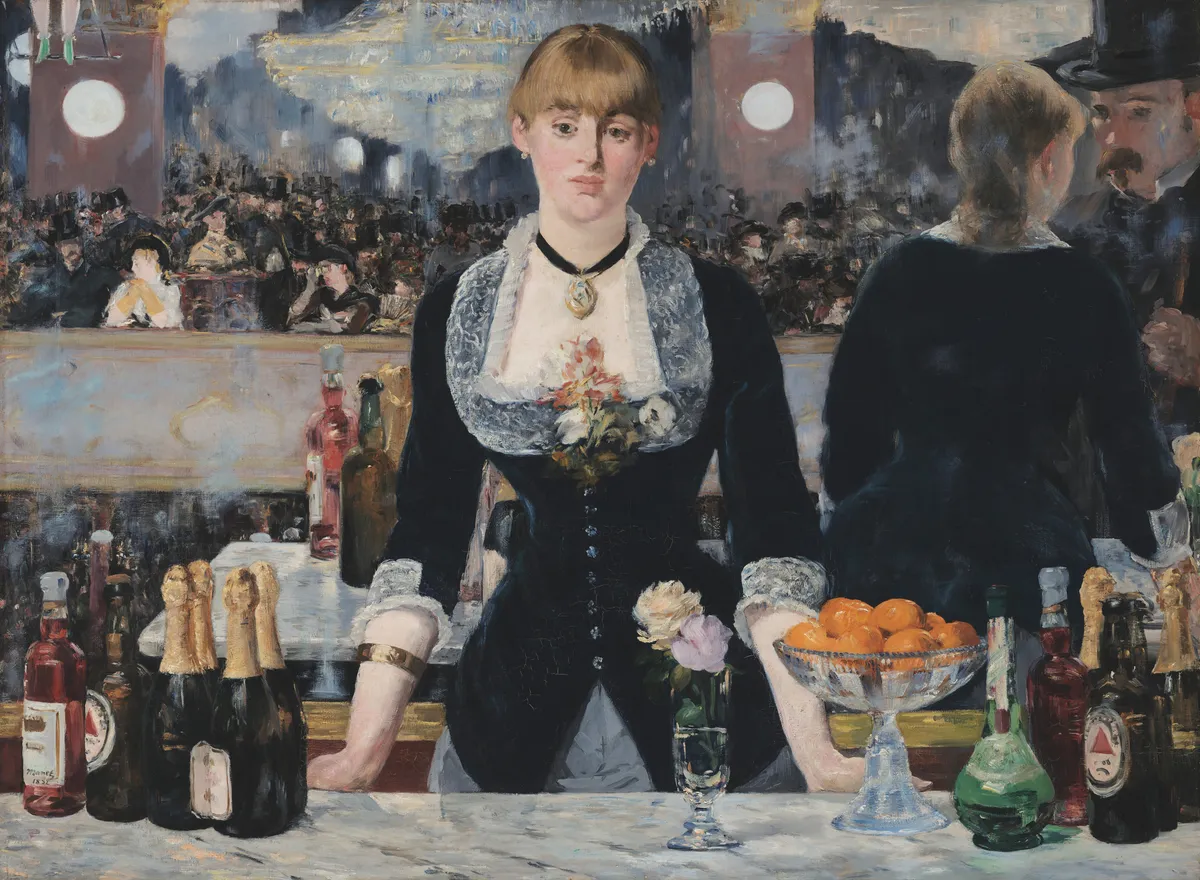
Édouard Manet, “A Bar at the Folies-Bergère,” 1882
Manet’s last major painting depicts Suzon, a barmaid at the Folies-Bergère, who seems to embody a sense of detached melancholy at the heart of one of Paris’s most fashionable music halls. Much of the painting’s unsettling power lies in its mirror: ignoring normal perspective, Manet shifts the barmaid’s reflection to the right, so that she appears to be serving a male customer even while she gazes out, enigmatically, towards the viewer.
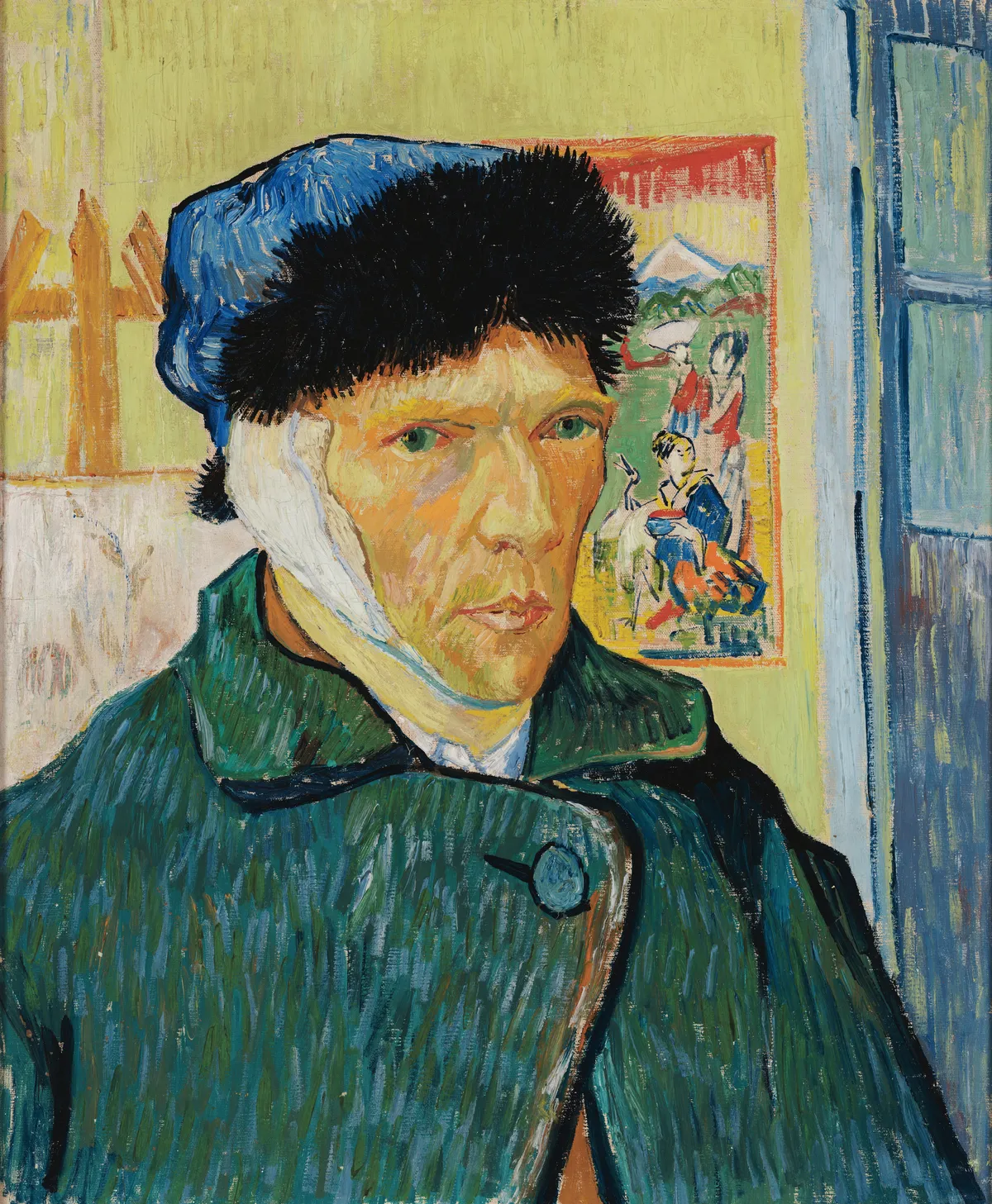
Vincent Van Gogh, “Self-Portrait with Bandaged Ear,” 1889
Painted in Arles in January 1889, shortly after Van Gogh had cut off most of his left ear during a severe mental crisis, this self-portrait is at once a record of vulnerability and powerful proof of his determination to keep painting. Behind him, a canvas just begun and a Japanese print, one of his greatest sources of inspiration, point to the ambitions that sustained him.
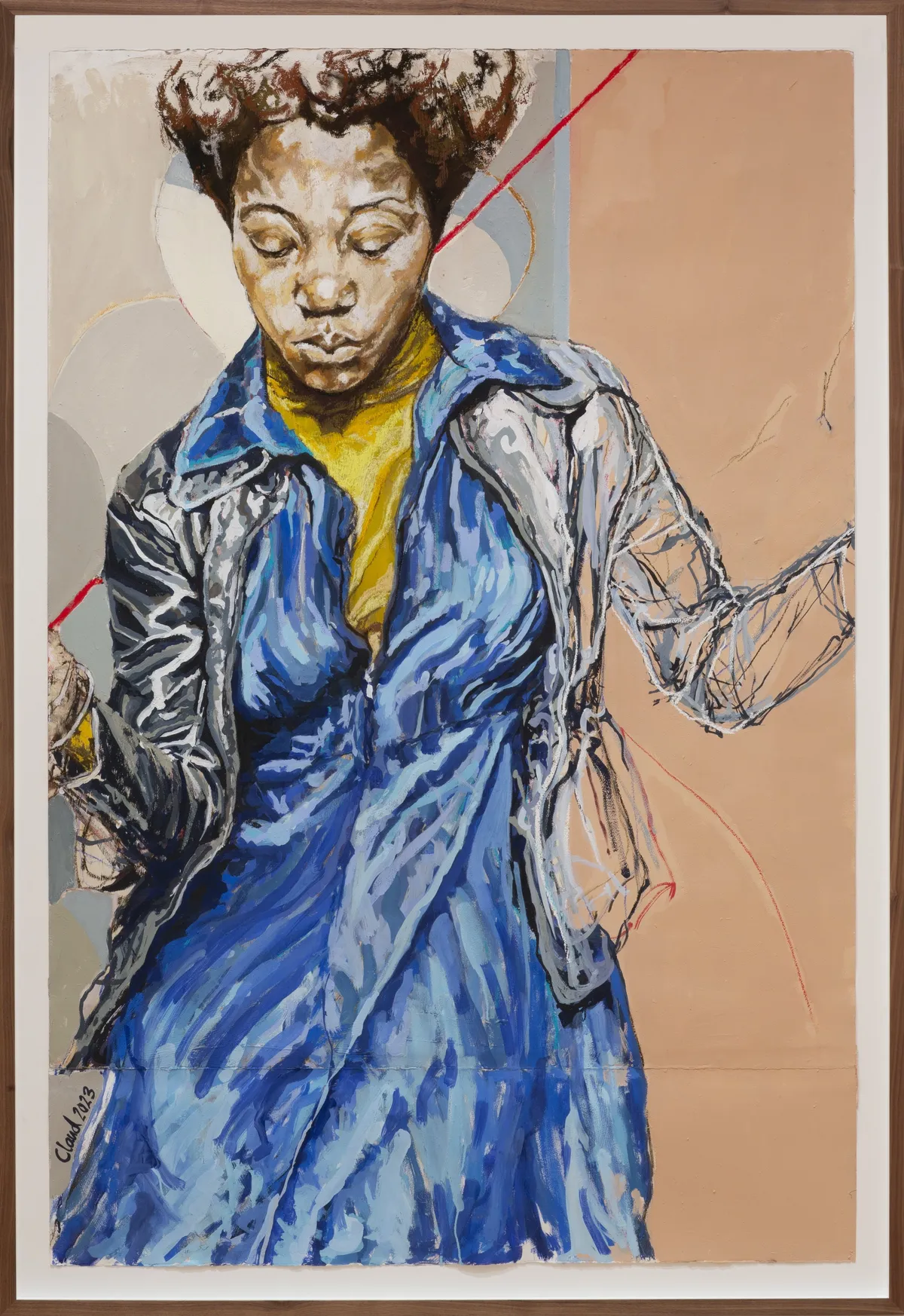
Claudette Johnson, “Blues Dance,” 2023
Claudette Johnson, a prominent figure of the British Black Arts Movement, made “Blues Dance” for her 2023 exhibition at the Courtauld Gallery, drawing on her memories of the Blue Beat dance scene of the 1980s. Its fluid, expressive lines and rich color celebrate music, movement, and joy, while its epic scale gives the dancing figure a commanding presence.
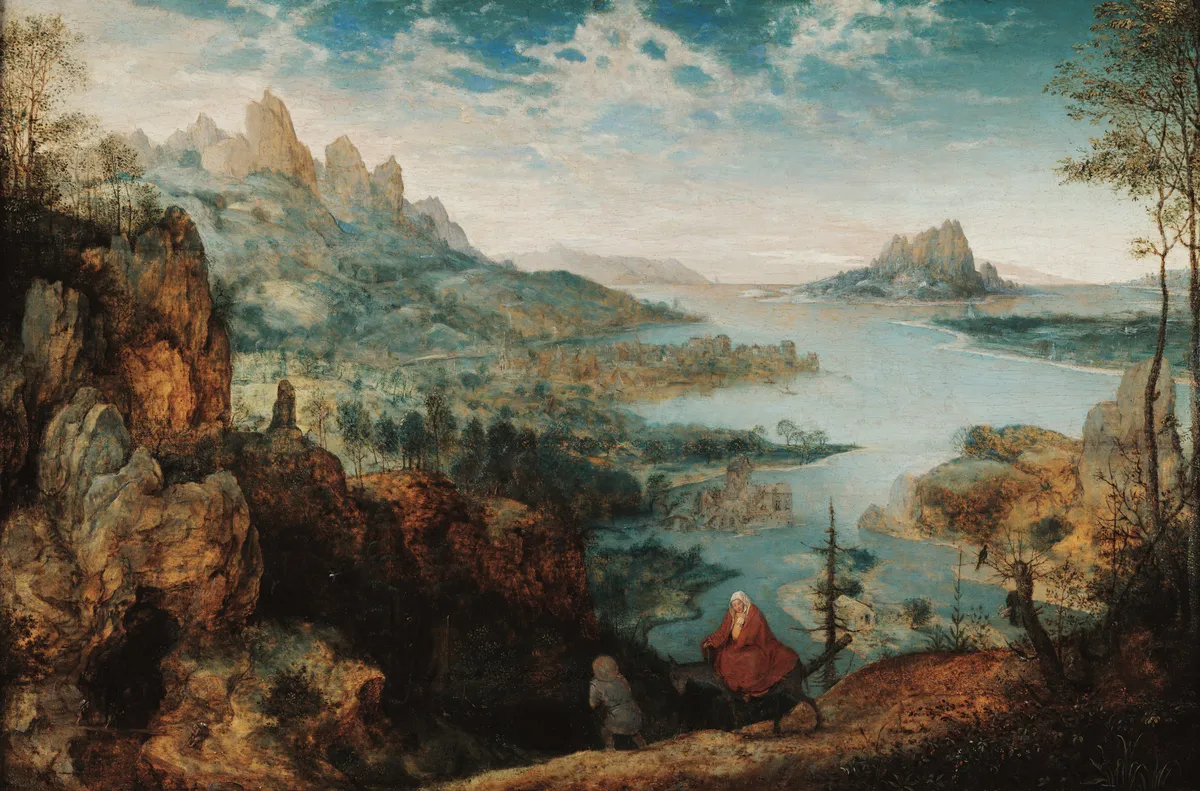
Pieter Bruegel the Elder, “Landscape with the Flight into Egypt,” 1563
Bruegel sets the biblical story of the Holy Family’s flight into a grand, sweeping landscape, in which human drama is almost absorbed by the natural world. The small, vulnerable figures of Mary, Joseph, and the infant Jesus are tucked into this panoramic scene, emphasizing the power and scale of their surroundings.
Founded in 1932 as the first institution in the UK devoted to the study of art history, the Courtauld is today an internationally renowned center for teaching and research, as well as a major public gallery. It is home to the largest community of art historians and conservators in the UK, and its scholars have long been pioneers in using technology, from X-rays to chemistry, to reveal what lies beneath the surface of works of art. Making its collection — and the research behind it — accessible to audiences across the globe remains a central priority.
Google Arts & Culture first partnered with The Courtauld in 2022, using Google’s Art Camera to capture 16 iconic works in remarkable depth and detail. For the first time, anyone, anywhere could follow the extraordinary play of Manet’s brushstrokes across the surface of “A Bar at the Folies-Bergère”.
Artist residency
In addition to The Art of Looking, the Courtauld and Google Arts & Culture are announcing a new artist residency to explore how AI can unlock the Courtauld’s extensive photographic collections. It lays the foundation for making these images searchable and connecting them to learning curricula worldwide.
We look forward to seeing how these tools can open up art education to new audiences and create even more immersive ways of learning. Explore The Art of Looking today at goo.gle/courtauld.
Check your inbox to confirm your subscription.
You can also subscribe with a different email address.