- Italy’s EICMA bike show hosted several high-profile electric bike launches
- Zero Motorcycles unveiled an affordable, lightweight street bike
- Yamaha electrifies its popular Nmax line of scooters
Italy’s EICMA motorcycle show is arguably Europe’s largest stage for showcasing hot new metal and this year hosted a steady stream of fresh electric motorcycles that had one thing in common: affordability.
Unlike some of the earlier electric motorcycles, which often cost a lot more than their internal combustion engine counterparts, this year’s crop aimed to offer price parity with petrol-powered machines.
First up, Zero Motorcycles, which is celebrating its 20th anniversary this year, took the wraps off Project Ventura — an electric, supermoto-inspired street machine that’s designed to bridge the gap between high-powered eBikes and a full-fat motorcycle.
Nimble and playful, Zero says Project Ventura is a multi-purpose street machine designed to make electric riding more accessible and more fun.
As a result, it will be sold in an A1-friendly license version, which means younger or less experienced riders can also take advantage of cheap transport.
(Image credit: Zero Motorcycles)The Californian electric motorcycle brand promises over 20kW (around 28bhp) of power, a 65mph sustained top speed (81mph momentary for overtaking) and an estimated 75 miles of real-world range.
Lighter, more agile and easier to maneuver than many heavy electric motorcycles on the market, Project Ventura is rumored to go on sale with a targeted price of less than $8,000 (around £5,960 / AU$11,470), making it one of the most accessible electrified street bikes to date.
The company is also forging ahead with its battery-powered scooter line-up, revealing a faster, more powerful version of the popular LS model.
The new LS3 is capable of a 75mph top speed for short bursts and an impressive 93-miles of range.
Yamaha goes all-in on scooters
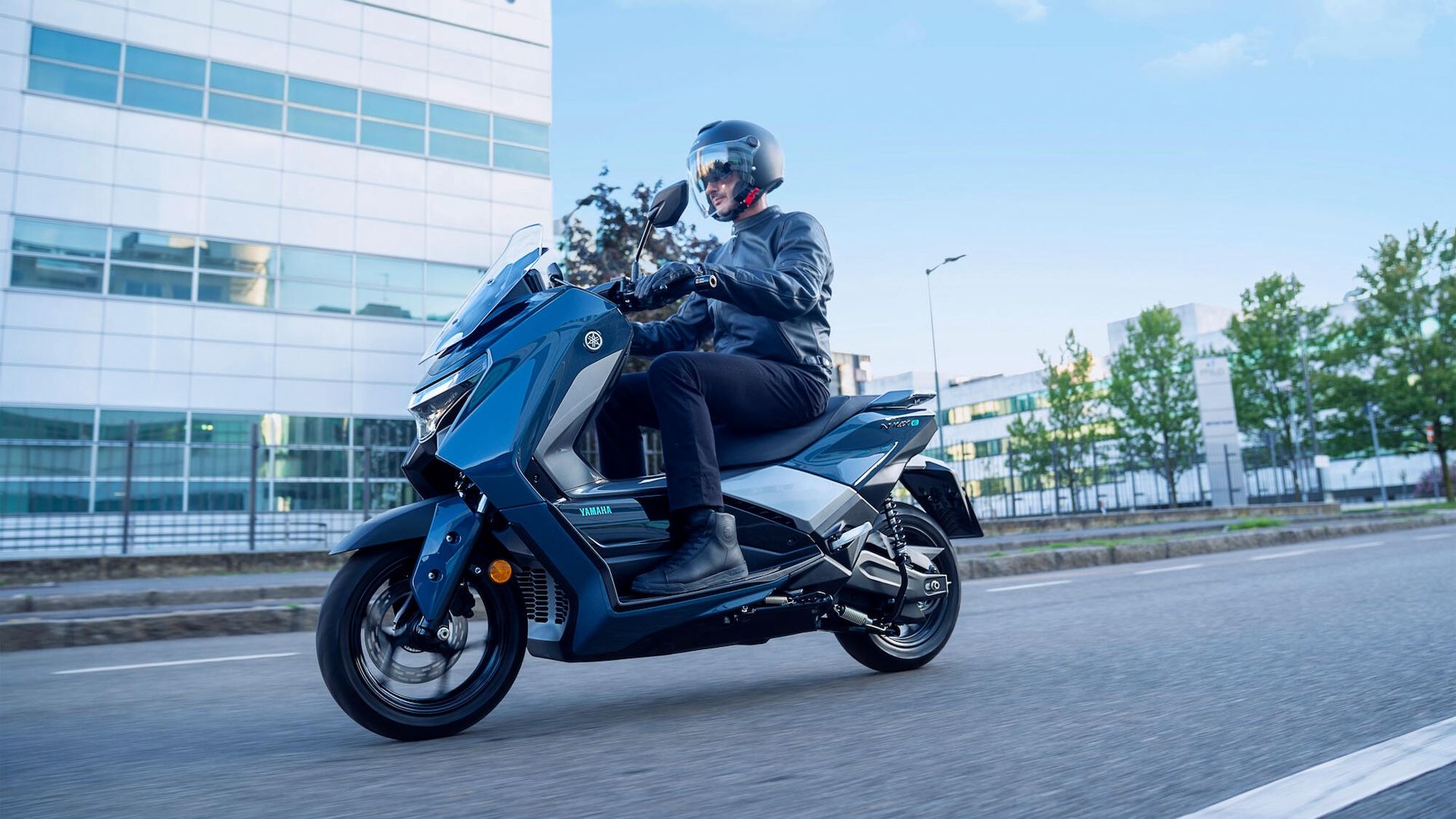
Yamaha’s Max line-up of scooters has long been a cash cow for the company, particularly in Europe, where roughly 85% of all its sales take place.
It is the commuter vehicle of choice in those countries that enjoy clement weather all-year-round.
Some 25 years after the first Max-branded sports scooters hit the road, Yamaha has opted to take on its close rival in Honda and launch a battery-electric version in the Nmax E.
Built on an all-new A1 EV platform, the urban run-around features a 7.5kW electric motor that delivers around 10hp and performance that is equivalent to its 125cc petrol range.
A 3.5 kWh lithium-ion battery delivers around 65 miles on a single charge.
In addition to this, Yamaha is further electrifying its popular scooter range with the Xenter E, which offers a battery-powered alternative to its top-selling “high-wheel” scooters — another popular style in mainland Europe and Asia.
The fact that both of these upcoming models look like typical Yamaha products, as opposed to deliberately futuristic concepts, is further proof that the Japanese marque is keen to price and market its battery-powered versions as true petrol alternatives that its typical customer base can afford.
Cake gets ReBaked
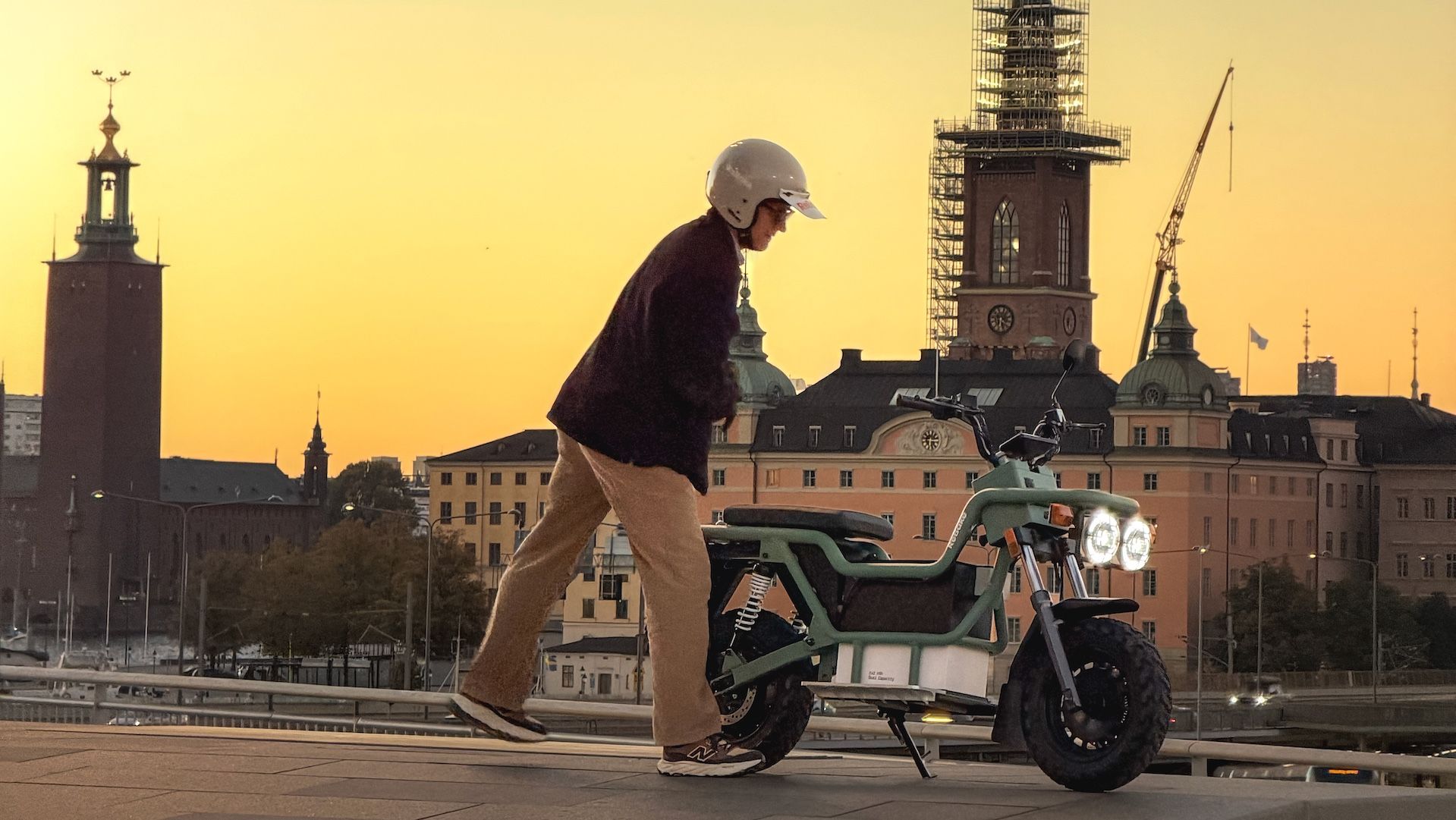
Do you remember Cake? Well, the slightly mad Swedish manufacturer of electric utility machines that look like props from a Mad Max movie is essentially back under original founder Karl Ytterborn’s new company ReBake.
The first model, the Abler, looks a lot like Cake’s original cargo-carrying electric haulers, albeit with a fresh green paint job.
Still designed to carry cargo, tackle the weekly shop and handle school runs, the aluminum tube frame can have all manner of accessories bolted to it, while two homologated speed classes means there’s a model for the 50cc-equivalent market, as well as a “light motorcycle” category version that can reach speeds of up to 50mph.
Removable batteries further add to the convenience, while ReBake is aiming to sell the lower-powered versions for around €4,000 (about $4,500 / £3,340 / AU$6,420), with prices rising slightly for the A1 license version.
So perhaps the biggest takeaway from EICMA this year is that the electric motorcycle market appears to be moving towards more affordable territory, eschewing the hideously expensive earlier models for something that can genuinely be presented as a viable alternative to petrol-powered rivals.
As a result, electric motorcycles could finally have their day in the sun.