
In brief: Ukrainian Ombudsman Lubinets disputed a Sky News report suggesting Russian troops used the ceasefire to regroup, saying the vehicles shown were marked with crosses and used exclusively for demining. He said both sides monitored compliance and recorded no violations.
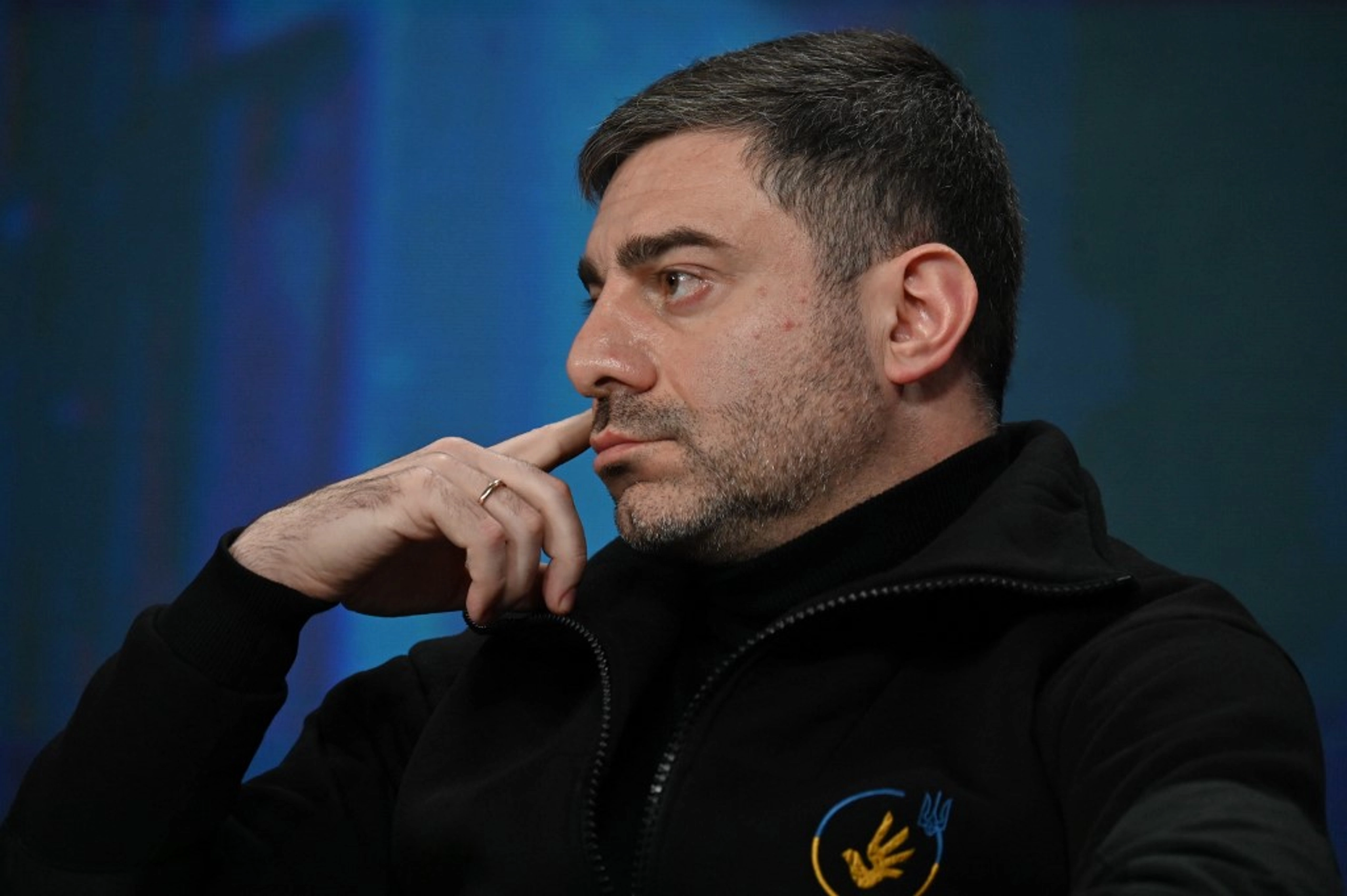
Ukrainian Human Rights Ombudsman Dmytro Lubinets has rejected claims that Russian forces used the six-day humanitarian ceasefire in occupied Oleshky to reinforce their positions, saying military vehicles shown in a Sky News report were involved in mine clearance permitted under the agreement.
Speaking at a press conference on Nov. 2, Lubinets said he had reviewed the Sky News footage after it emerged and held a meeting with military officials to verify what the video showed.
JOIN US ON TELEGRAM
Follow our coverage of the war on the @Kyivpost_official.
“On the video, Russian military equipment marked with crosses is clearly visible. This equipment was used specifically for demining and immediately returned after the demining work was completed,” Lubinets said.
He said the agreement between Ukraine and Russia explicitly prohibited the movement of additional military equipment into the area but allowed the movement required for mine clearance.
“We specifically stipulated in the document that the movement of military equipment was prohibited,” he said. “Military equipment moved for demining, as provided for in the agreement, and was marked with red crosses.”
The report, by Sky News Chief Correspondent Stuart Ramsay, included drone footage provided by a Ukrainian military unit monitoring Russian movements.
It showed armored vehicles and Russian soldiers moving through the occupied town, as well as troops carrying supplies into buildings.
Ukrainian military personnel interviewed by Sky News said the movements were part of a broader effort to strengthen Russian positions.

Sybiha: Oleshky Success Proves War Can Be Stopped Everywhere
Lubinets said the ceasefire was monitored by representatives from both sides and that compliance was checked regularly.
“One person from the Ukrainian side and one from the Russian side were responsible for monitoring. During the first hour of the ceasefire, the four of us remained in contact. We agreed to check compliance with the ceasefire regime every two hours,” he said.
According to Lubinets, the first day passed without recorded violations, and the same remained true throughout the truce.
“Yesterday, before the ceasefire ended, I held a meeting with the responsible representatives, the Defense Forces and the Russian side. We verified that there had been no violations by either side,” he said.
Oleshky truce enabled civilian evacuation
The localized ceasefire in the Russian-occupied Oleshky in the Kherson region began at 3 a.m. Kyiv time on Oct. 27 and expired at 10:59 p.m. on Nov. 1. It was arranged to allow humanitarian aid deliveries, mine clearance and the evacuation of civilians from the town.
The agreement followed months of negotiations after an earlier attempt to secure an evacuation arrangement failed.
Ukraine and Russia moved closer to a deal in October, before agreeing on a ceasefire timetable on Oct. 25, with the process facilitated by US First Lady Melania Trump.
Mine clearance began before the humanitarian mission could proceed, and a Ukrainian delegation led by Lubinets subsequently headed toward the town.
Humanitarian supplies were prepared for delivery, while residents were given the opportunity to leave for either Ukrainian- or Russian-controlled territory.
The evacuation began on Oct. 30. Civilians departed in organized groups, with those heading to Ukrainian-controlled territory eventually travelling through occupied Crimea, Russia and Belarus before crossing into Ukraine’s Chernihiv region on Oct. 31.
At the Nov. 2 press conference, Lubinets said residents had three options: remain in Oleshky, leave for Ukrainian-controlled territory or travel to Russia. He said he had personally visited people who chose to stay and that Ukraine delivered humanitarian supplies to them.
He also said 105 pets, including four parrots, were evacuated. The exact numbers of people who chose each destination could not be publicly disclosed under the arrangements, he added.
Lubinets said Ukraine was negotiating with Russian Human Rights Commissioner Yana Lantratova to resume humanitarian deliveries to Oleshky at least once a month.
His office also plans to establish a Center for the Return of Ukrainian Civilians and hopes the Oleshky operation can serve as a model for other occupied settlements facing humanitarian crises.
On Nov. 2, Melania Trump said nearly 800 people had been evacuated from the Oleshky area during the operation.
Alisa is the Head of News and a correspondent at Kyiv Post, where she leads the newsroom’s coverage of breaking events and global developments. With over seven years of experience in TV journalism, Alisa has reported on international and Ukrainian politics, making complex stories easier to understand. Back in September 2022, Alisa joined the Kyiv Post team.
Kateryna investigates today's most important topics, from geopolitical challenges and defense strategies to stories that change the course of events. She explores the secrets of Ukraine's intelligence services and shows the hidden side of global events. Her passion is uncovering secrets that change history. Born and lives in Kyiv.