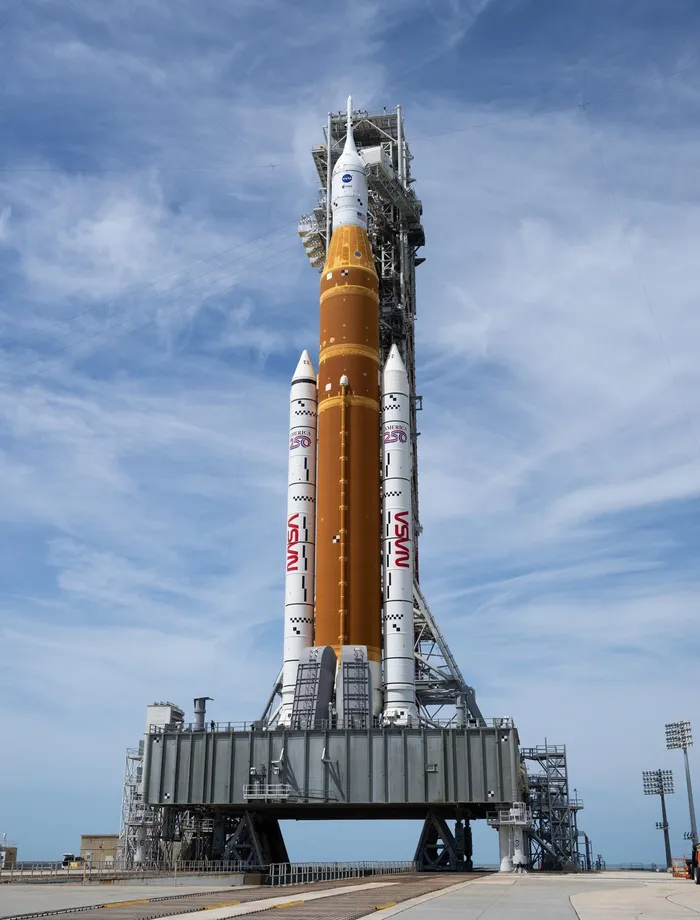
NASA is exploring how South African rescue teams could assist if an Orion capsule splashes down off the Cape coast after an emergency launch abort.
An emergency abort during a future crewed Artemis mission could send an Orion capsule into the sea off the Cape coast just eight minutes after liftoff from Florida.
As part of its contingency planning, NASA has met with the National Sea Rescue Institute to discuss how South African teams could help rescue astronauts.
Depending on the launch trajectory and when an emergency occurs, Cape Town falls within one of several potential recovery areas worldwide.
NSRI Head of Operations Charl Maritz said the visit came as a surprise, with NASA representatives making contact at very short notice.
“Our understanding is that the NASA team had heard about the NSRI as a potential maritime rescue resource while in South Africa and wanted to learn more about our capabilities,” Maritz said.
“It is encouraging to know that the NSRI remains highly regarded when it comes to maritime rescue and safety around our coast.”
He said that, despite the unusual nature of a potential astronaut rescue, the underlying challenges were familiar to the organisation.
“At the heart of it, it is still about saving lives in difficult conditions and coordinating an effective response.”
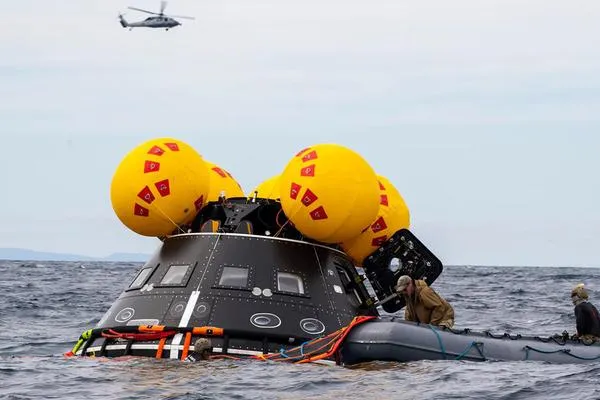
NASA representatives visited the NSRI in Cape Town to discuss how local sea rescue teams could assist in a potential emergency recovery of astronauts returning from an Artemis mission.
How the NSRI could help in an astronaut rescue
Discussions centred on the NSRI's potential role in locating, reaching and recovering astronauts and specialist rescue personnel at sea.
If astronauts were injured and unable to wait for NASA or US Department of Defence recovery teams, the NSRI could potentially assist with an immediate rescue, provided the location was within its operational capabilities.
The organisation could also help transport astronauts and specialist rescuers back to shore for handover to South African emergency medical services.
With more than five decades of maritime rescue experience, coastal rescue stations and skilled volunteer crews, the NSRI has considerable experience responding to emergencies alongside other agencies.
However, distance would be a critical factor.
“With a splashdown potentially as far as 200 nautical miles from the coast, our main limitations would be our range and endurance – how far we can reach and how long we can remain at sea,” Maritz said.
The NSRI said an astronaut recovery would involve specialised medical, technical, safety and security procedures. Its role would likely focus on maritime rescue, while NASA's specialist teams would handle spacecraft-specific requirements.
NASA explains Orion spacecraft risks
NASA's presentation covered how the Orion spacecraft would behave following an emergency abort, including its parachute systems, self-righting equipment and potential hazards for rescuers approaching the capsule.
One of the concerns is hydrazine, the fuel used by the spacecraft's thrusters, which could continue venting after splashdown.
Responders may need to wait until the area is safe before approaching the capsule. NASA said this process typically takes between 15 and 20 minutes during a normal return.
The briefing also covered potential injuries astronauts could sustain during a harder-than-normal splashdown, as well as complications arising from decompression or other spacecraft-related problems.
During the Cape Town visit, NASA representatives also met with local trauma facilities to assess the region's emergency medical capabilities.
NASA raises possibility of formal cooperation
NASA also raised the possibility of a formal statement of intent outlining how the organisations could work together if an Artemis spacecraft returned near South Africa.
Under such an arrangement, NASA would provide local responders with technical guidance on potential spacecraft hazards and safe approaches to the capsule. It would also provide relevant medical information to help hospitals prepare for the arrival of astronauts.
NASA would reimburse costs associated with an emergency response under the proposed arrangement.
For Maritz, one of the most notable aspects of the engagement was how closely NASA's approach to risk management, training and preparedness mirrored the NSRI's own practices.
“They consider scenarios that may never occur, yet they still invest significant effort into understanding how they would respond if they did. It was a reminder that successful emergency response depends on preparation long before an incident ever happens.”
The engagement gave both organisations an opportunity to better understand each other's capabilities and highlighted the value of local knowledge and cooperation when preparing for unlikely emergencies.
For the NSRI, whether assisting a fisherman, a sailor, a medical evacuation patient or potentially an astronaut, its mission remains the same: people helping people when they need it most, wherever they can safely operate.